
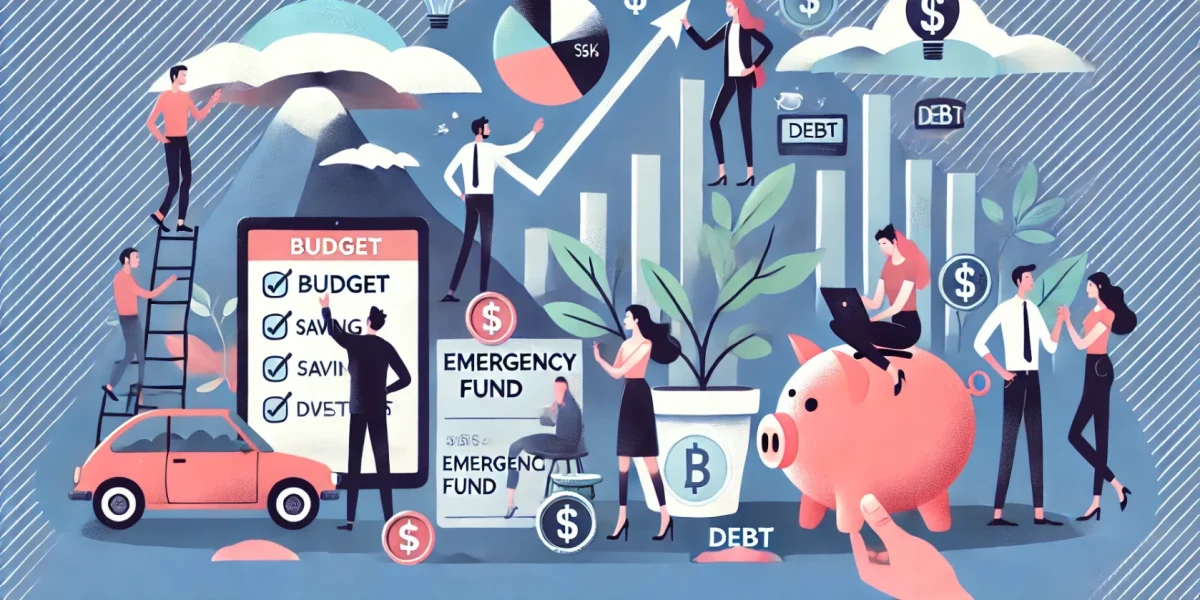
In today’s fast-paced world, managing personal finances effectively is more critical than ever. The landscape of financial management is continually evolving, driven by technological advancements, economic shifts, and changing consumer behaviors. For individuals looking to secure their financial future, understanding key strategies and principles is essential. This article explores fundamental aspects of personal wealth management, offering insights into budgeting, saving, investing, and managing debt.
Budgeting: The Foundation of Financial Health
Budgeting is the cornerstone of personal finance. It provides a clear picture of income and expenses, helping individuals make informed financial decisions. A well-structured budget can prevent overspending, ensure savings, and provide a roadmap for achieving financial goals.
- Track Your Expenses: Begin by recording all your expenses for a month. Categorize them into essentials (housing, utilities, groceries) and non-essentials (entertainment, dining out).
- Set Financial Goals: Identify short-term and long-term financial goals. Short-term goals might include saving for a vacation or paying off a credit card, while long-term goals could involve buying a home or retirement planning.
- Create a Budget Plan: Allocate a portion of your income to each category, ensuring that you prioritize essentials and savings. Tools like budgeting apps can simplify this process.
- Review and Adjust: Regularly review your budget to ensure it aligns with your financial goals. Adjust as necessary to accommodate changes in income or expenses.
Saving: Building a Financial Safety Net
Saving is crucial for financial security. It provides a cushion against unexpected expenses and helps achieve long-term financial objectives. Adopting a disciplined approach to saving can significantly impact your financial well-being.
- Emergency Fund: Aim to save at least three to six months’ worth of living expenses in an easily accessible account. This fund acts as a safety net during unforeseen events such as job loss or medical emergencies.
- Automatic Savings: Set up automatic transfers from your checking account to your savings account. Automating savings ensures consistency and reduces the temptation to spend.
- High-Interest Savings Accounts: Explore high-interest savings accounts or certificates of deposit (CDs) to maximize the returns on your savings.
Investing: Growing Your Wealth
Investing is a powerful tool for building wealth over time. It involves putting your money to work in various financial instruments with the expectation of earning a return. Understanding the basics of investing is crucial for making informed decisions.
- Diversification: Spread your investments across different asset classes (stocks, bonds, real estate) to reduce risk. Diversification helps mitigate the impact of poor performance in any single investment.
- Risk Tolerance: Assess your risk tolerance before making investment decisions. Younger investors with a longer time horizon can afford to take more risks, while those nearing retirement might prefer more conservative investments.
- Regular Contributions: Invest regularly, regardless of market conditions. This strategy, known as dollar-cost averaging, helps reduce the impact of market volatility.
- Educate Yourself: Continuously educate yourself about different investment options and strategies. Consider consulting with a financial advisor for personalized advice.
Managing Debt: Avoiding Financial Pitfalls
Debt management is a critical aspect of personal finance. While some debt, like a mortgage, can be considered good debt, excessive or poorly managed debt can lead to financial instability.
- Understand Your Debt: Keep track of all your debts, including interest rates and repayment terms. This understanding is crucial for developing a repayment strategy.
- Prioritize High-Interest Debt: Focus on paying off high-interest debt first, such as credit card balances. This approach reduces the overall interest paid and accelerates debt repayment.
- Consolidate Debt: Consider consolidating multiple debts into a single loan with a lower interest rate. Debt consolidation can simplify repayments and reduce interest costs.
- Avoid Unnecessary Debt: Limit the use of credit cards and loans for non-essential purchases. Live within your means to avoid accumulating unnecessary debt.
Conclusion
Effective personal wealth management requires a comprehensive approach encompassing budgeting, saving, investing, and debt management. By adopting these strategies, individuals can achieve financial stability, build wealth, and secure their financial future. The journey to financial health is ongoing, requiring continuous learning and adaptation to changing circumstances. However, with discipline and informed decision-making, anyone can navigate the financial landscape successfully and achieve their financial goals.